Long-Term Brand Positioning

Two concrete restoration firms in New York submit bids on the same project-a full envelope restoration of a 1920s residential tower on the Upper East Side. Both have the crews, the experience, and the pricing to handle it. One firm’s name draws a nod of recognition from the building’s architect. The other draws a blank. That recognition didn’t happen overnight and it didn’t happen by accident. It’s the result of years of consistent brand positioning-showing up in the right places, presenting work professionally, and building a reputation that precedes the sales pitch.

Brand positioning for construction companies isn’t about logos or taglines. It’s about the mental space your firm occupies when someone who hires contractors thinks about the type of work you do. When an architect thinks “facade restoration in Manhattan,” does your name surface? When a developer needs a general contractor for a complicated occupied-building renovation, do they already know who you are before the bid list goes out? That’s what long-term brand positioning achieves.

A recognizable, trusted brand doesn’t replace your estimating team or your field expertise. It gets you into rooms and onto bid lists where your estimating team and field expertise can do their job.
Why Short-Term Campaigns Don’t Build Construction Brands

Running a Google Ads campaign for six weeks or posting on Instagram for two months and then going quiet does not build brand equity. It generates temporary visibility that evaporates the moment you stop spending. For construction companies-where project cycles stretch months or years and decision-makers take their time evaluating contractors-start-stop marketing produces almost nothing of lasting value.

The construction industry in New York operates on trust built over time. A property management company that sees your name consistently-in their LinkedIn feed, at an industry event, in a well-produced project feature on your website, in a capability statement that arrives at the right moment-starts to associate your firm with competence in a specific area. That association doesn’t form from a single ad or a one-month social media push. It forms through repetition, consistency, and demonstrated quality across every touchpoint over months and years.

This is especially true in New York’s commercial and institutional construction market, where the same architects, developers, and ownership groups cycle through projects repeatedly. They remember firms that present themselves professionally over a sustained period. They forget firms that appear once and disappear.

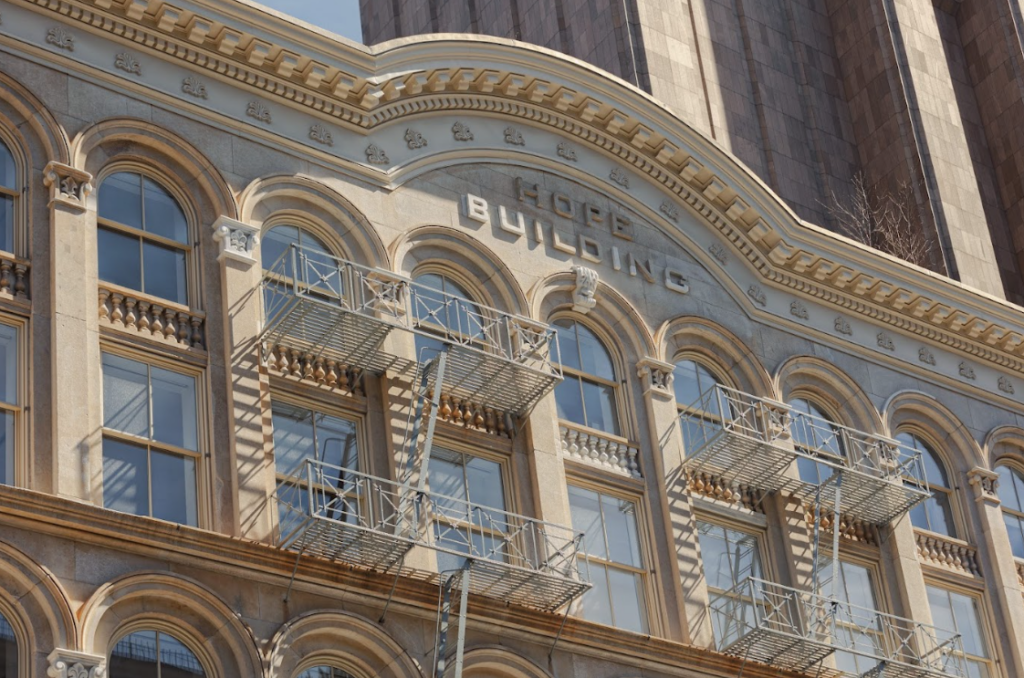
Close-up of the "Hope Building" facade with arched windows and fire escapes, showcasing architectural detail.
Building a legacy of quality and reliability, creating landmarks that inspire hope.

Sustained visibility with the right audience builds the kind of brand recognition that puts your company on shortlists before the RFP is even issued.

What Brand Positioning Actually Looks Like in Construction

Effective brand positioning in this industry isn’t one thing. It’s the alignment of everything your company puts in front of the market, sustained over time:

  • Visual identity that communicates professionalism-your website, proposal templates, project signage, vehicle graphics, and crew apparel all create impressions whether you’re actively thinking about them or not. Consistency across these signals that you run a tight operation
  • A clearly defined market position that tells the industry what you specialize in. Trying to be known for everything means you’re known for nothing. The firms that win consistently in New York are the ones associated with specific capabilities-landmark restoration, occupied-building renovations, ground-up multifamily, mechanical retrofits
  • Content that demonstrates expertise rather than just claiming it. Project case studies, professional photography of completed work, thought leadership on industry-specific challenges. This content compounds over time-each piece adds to the body of evidence that your firm knows what it’s doing
  • Consistent presence in the channels your clients use-whether that’s LinkedIn, industry publications, trade events, or direct outreach. The key word is consistent. Showing up once is forgettable. Showing up regularly for a year becomes familiarity. Familiarity becomes trust

These components don’t work in isolation. A strong website without ongoing content becomes stale. Great photography without distribution sits unused. A social media presence without professional visuals looks amateur. Brand positioning is the strategy that connects all of it into something cohesive.

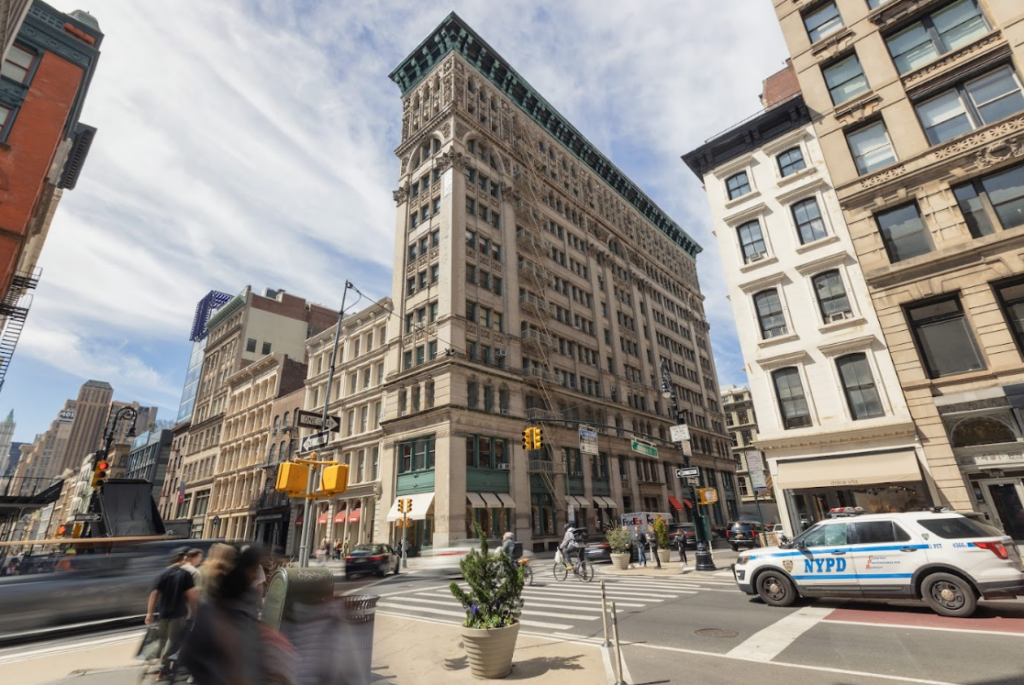
Wide-angle view of a distinctive wedge-shaped building in a bustling city intersection with a police car.
Establishing a prominent presence: iconic structures that define urban landscapes and our brand.

In a market where dozens of firms can do the work, the one that's recognized and trusted before the bid meeting has a structural advantage that pricing alone can't overcome.

Positioning Against Your Competition in the NYC Market

New York’s construction market is dense with capable firms. In most project categories-restoration, renovation, ground-up-there are dozens of contractors who can technically do the work. The firms that consistently win aren’t always the cheapest or even the most experienced. They’re the ones that decision-makers recognize, trust, and feel confident presenting to their own clients.

Brand positioning is how you differentiate in that environment. It starts with identifying what your firm does better or differently than competitors and then communicating that consistently to the people who need to hear it. Maybe it’s your safety record on occupied-building projects. Maybe it’s your deep experience with the Landmarks Preservation Commission process. Maybe it’s the fact that you self-perform critical trades instead of subcontracting them out.

Whatever your differentiator is, long-term positioning makes sure the market knows about it. Not through a single campaign, but through a sustained effort that reinforces the same message across your website, your social presence, your proposals, your project documentation, and every interaction your team has with clients and design professionals.

How We Build Long-Term Brand Positioning for Contractors

We don’t start with tactics. We start by understanding where your company sits in the market today and where you want it to be in two or three years. That means looking at the types of projects you’re winning, the types you’re losing, who your competitors are for the work you want, and how the market currently perceives your firm.

From there, we develop a positioning strategy that defines your brand’s core message, visual identity standards, and a content plan that sustains visibility over time. This includes professional photography of your projects, website content that reflects your specialization, social media strategy that keeps your firm visible to architects and developers, and proposal materials that reinforce the same brand at every stage of business development.

The difference between this and a typical marketing engagement is timeframe and integration. We’re not building a campaign that runs for three months. We’re building a brand presence that compounds month over month-where every new piece of content, every updated project page, every social post adds to a growing body of credibility that the market can see and evaluate.

Investing in a Brand That Compounds

Marketing spend in construction often goes toward immediate lead generation-ads, directories, cold outreach. Those tactics have their place, but they don’t build anything lasting. The moment you stop paying, the leads stop coming.

Brand positioning works differently. The case studies on your website continue generating credibility for years. The professional photography from a project shoot becomes content for dozens of posts and proposals. A well-defined visual identity makes every future piece of marketing more effective because it builds on recognition that already exists. Each investment adds to what came before instead of starting from zero.

For construction companies in New York competing for projects worth hundreds of thousands or millions of dollars, the return on a recognized, trusted brand far exceeds the cost of building it. One additional project win per year from improved brand recognition pays for the entire effort many times over.

Let’s Define Your Market Position

If your company’s brand doesn’t clearly communicate what you specialize in, who you serve, and why clients should choose you over competitors with similar capabilities, there’s an opportunity to change that. We’ll assess your current market presence, identify the positioning that gives you the strongest competitive advantage, and build a long-term strategy that turns your brand into a business development asset.

Get in touch and we’ll start with an honest look at where your brand stands today and where it should be headed.

Smart content makes your brand more than visible — it makes it unforgettable.
Let’s turn what you do into a message that works as hard as you do.